

Choice Overload: Why Having 10,000 Recipes is the Reason You're Ordering Pizza
End the 5 PM 'What's for dinner?' panic. Learn why having too many recipe choices causes decision fatigue and how a curated meal planning system can save your budget.
Meal planning is often treated as a chore, but scientifically, it is a complex cognitive load problem. Every evening, parents face "decision fatigue" — the exhausted state that follows a day of making hundreds of choices. This is why ordering takeout feels easier than cooking the food you already bought. This guide explores the **psychology of dinner**: why willpower fails by 5 PM, how to silence the "inner critic" that demands perfection, and how to build a cooking habit that runs on autopilot. Stop fighting your brain and start using systems that work with it.
End the 5 PM 'What's for dinner?' panic. Learn why having too many recipe choices causes decision fatigue and how a curated meal planning system can save your budget.
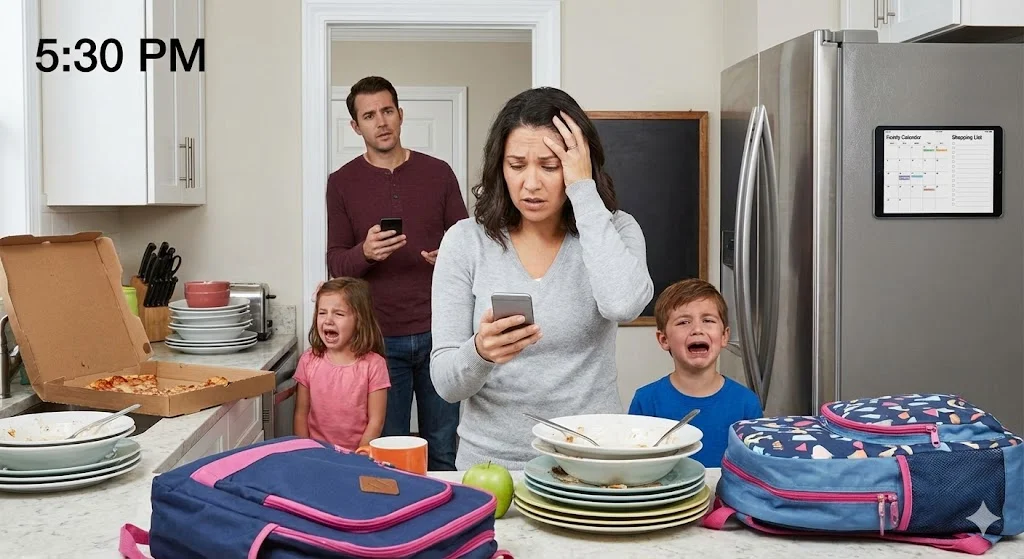
The reason meal planning fails isn't the food; it's the mental load. Learn how to end the 'Default Parent' burden with a Unified Truth system and shared planning.
Don't waste hours matching these prices to recipes. I've already done the math. Get a 7-day dinner plan built entirely around this week's winners.
Cancel anytime. 14-day money back guarantee.
Not ready for a personalized plan? No problem. Every Friday morning, I'll send you the raw data: the absolute best promotional items and "Hero Deals" from this week's best flyer deals, delivered to your inbox for FREE.