
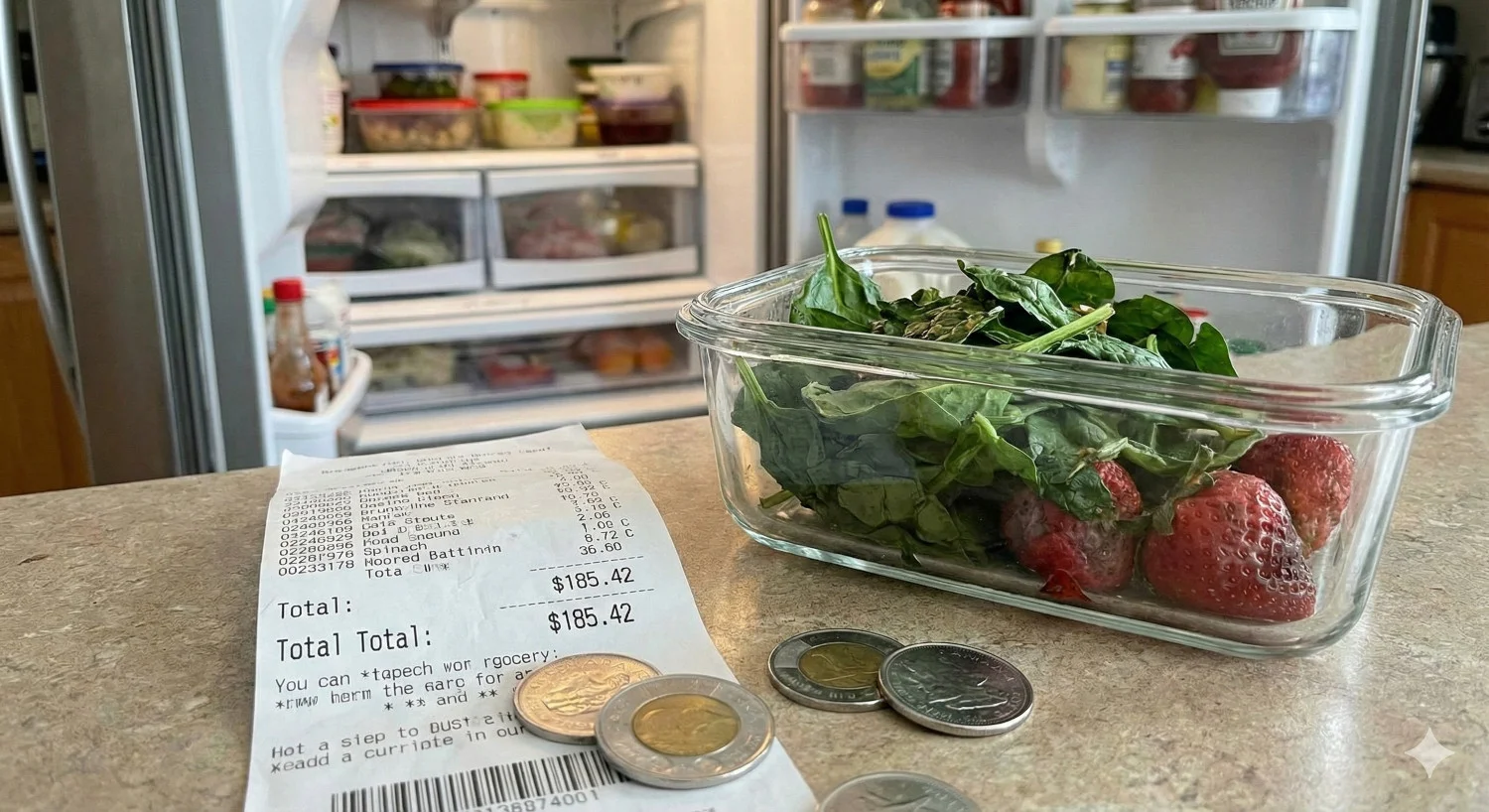
Your Grocery Bill Is High Because Your Plan Is Missing
Canadian families face a $1,000 grocery inflation spike in 2026. Learn how to stop the financial bleed by fixing your kitchen logistics and planning gap.
The average family throws away 30% of the food they buy. We call this the **"Buy-Rot-Throw" cycle**: buying with good intentions, letting produce rot in the fridge, and guiltily trashing it on trash day. The solution isn't to "try harder" — it is to plan backward. In this guide, you will learn how to reverse your grocery logic. Instead of shopping for recipes, we teach you to shop your pantry first, cook once to eat twice, and turn leftovers into assets. Strategic meal planning is the single most effective tool to lower your grocery bill and eliminate kitchen guilt immediately.
Canadian families face a $1,000 grocery inflation spike in 2026. Learn how to stop the financial bleed by fixing your kitchen logistics and planning gap.
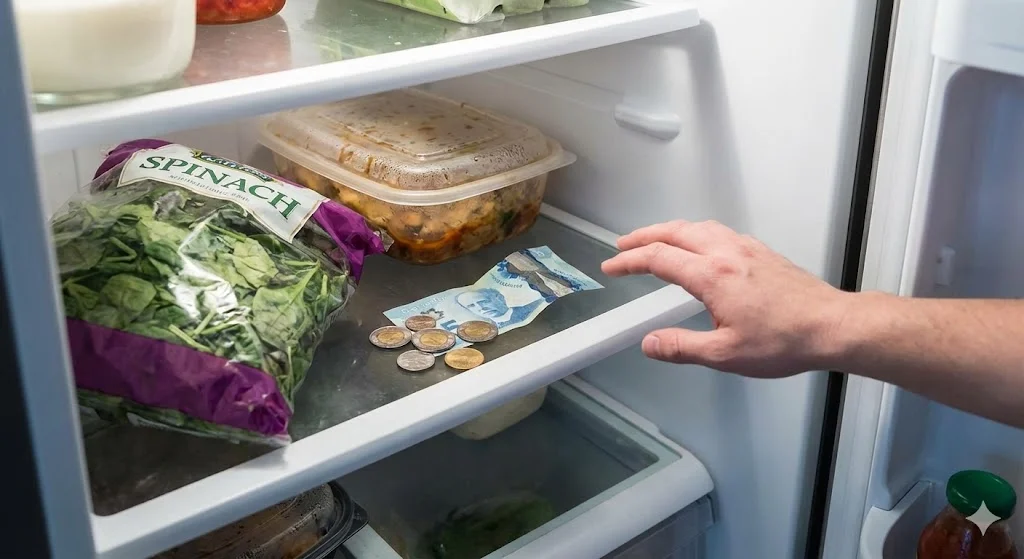
Stop throwing money in the green bin. Learn why your fridge is a financial asset and how a 'Fridge-First' audit can save you $1,300 a year on groceries.
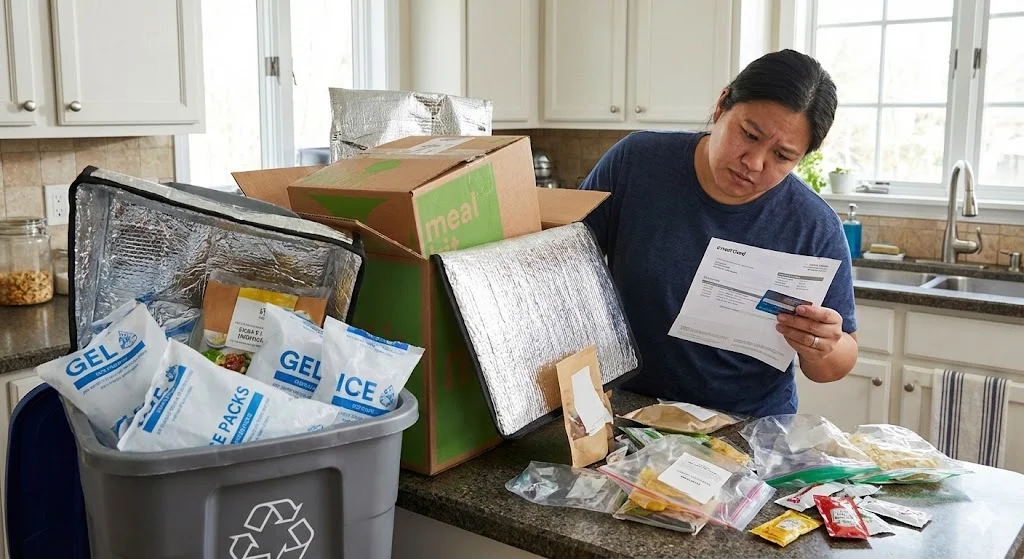
Are meal kits actually saving you money? Learn the brutal truth about the 300% markup on meal kits and why they fail to solve the root cause of high grocery bills.
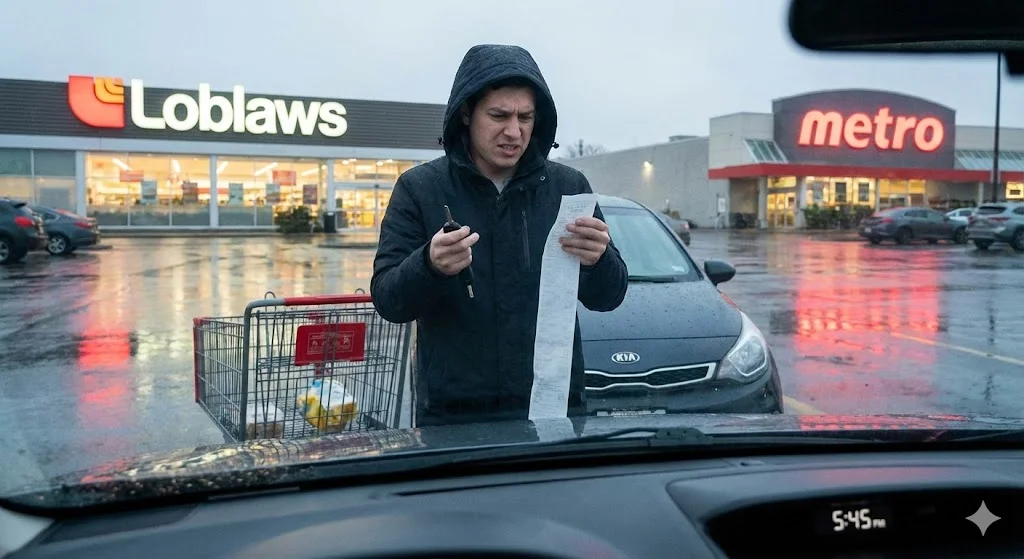
Stop chasing every sale. Discover why store-hopping kills your budget and how to optimize your favorite store using a 'Logistics Hub' strategy to save time and money.
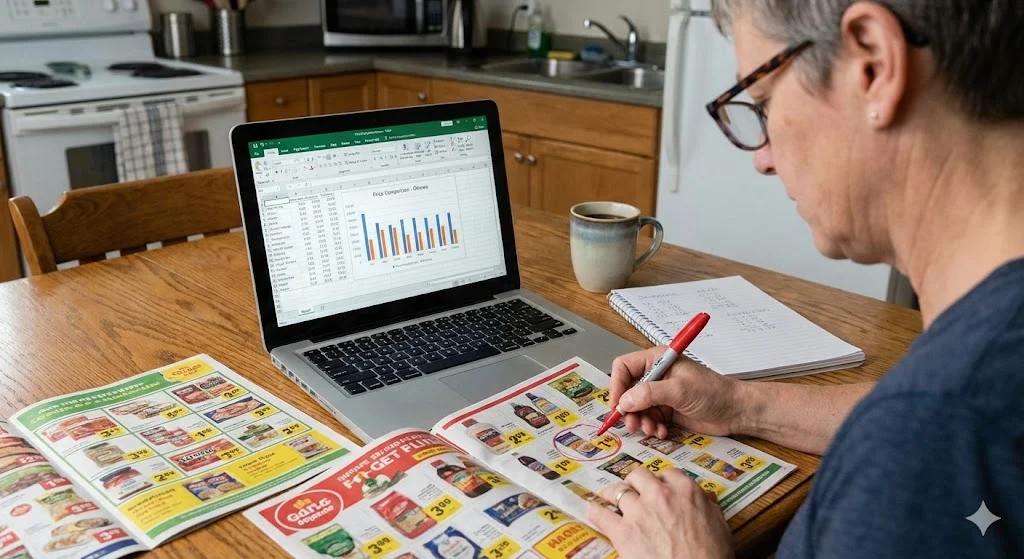
Most people shop for cravings; the rich shop for data. Learn how to identify 'Loss Leaders' in Ottawa flyers and build a high-ROI, Flyer-First pantry.
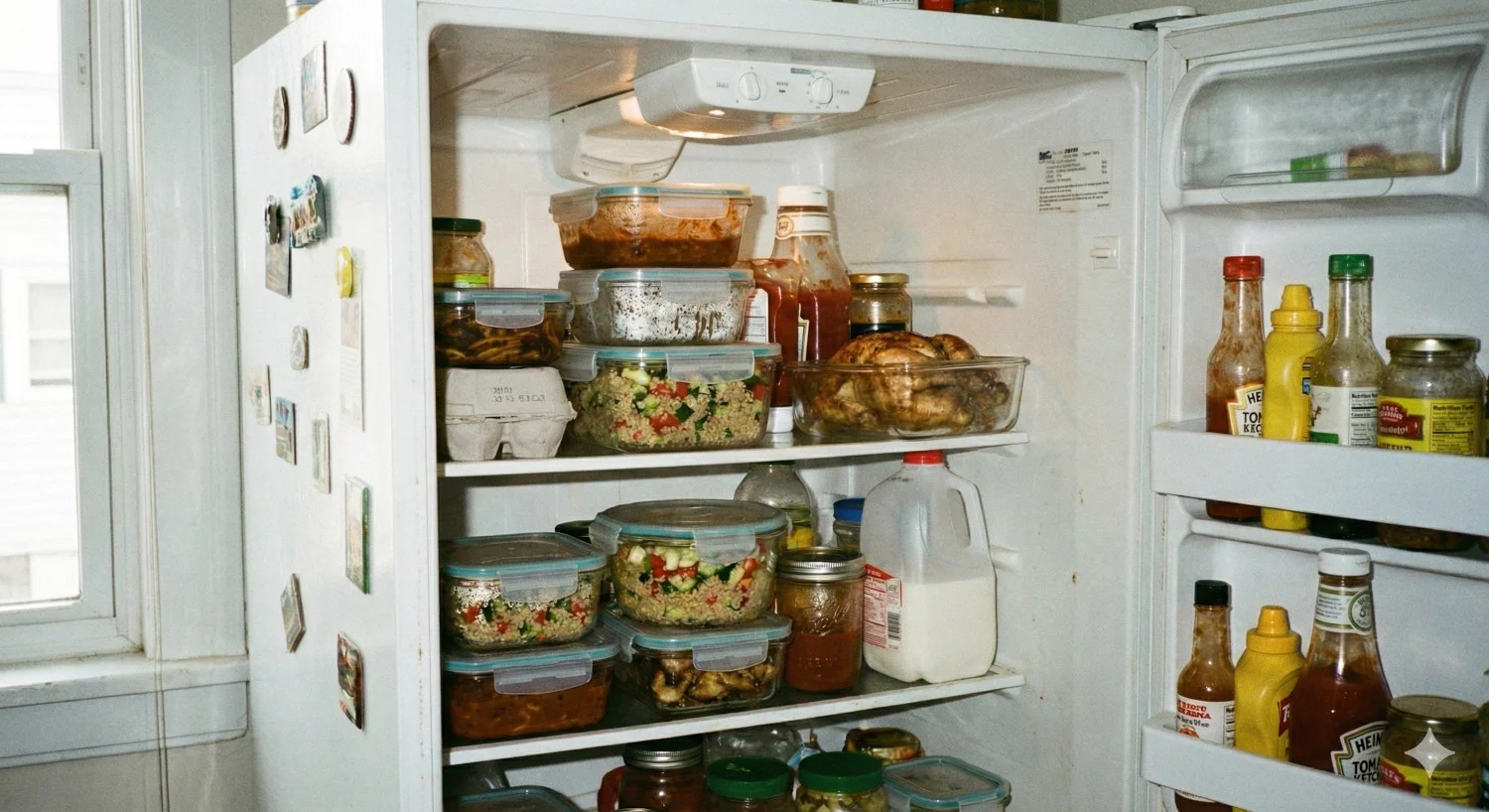
Throwing away food isn't a discipline problem; it's a logistics problem. Learn how to stop the 'Buy-Rot-Throw' cycle using Bridge Planning.
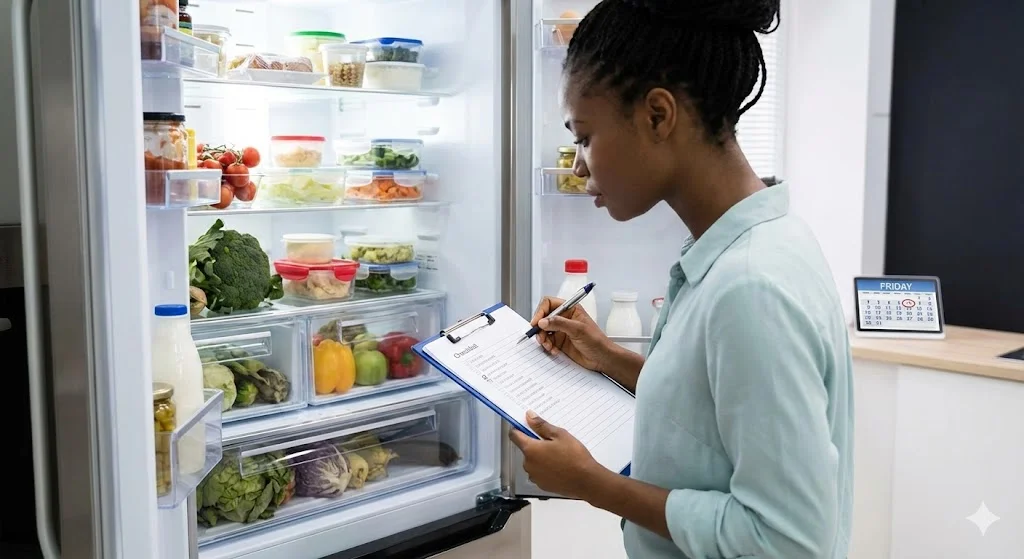
Sunday is too late. Discover the 10-minute 'Executive Audit' ritual that identifies Fridge Rot early and saves Canadian families $100 monthly.
Don't waste hours matching these prices to recipes. I've already done the math. Get a 7-day dinner plan built entirely around this week's winners.
Cancel anytime. 14-day money back guarantee.
Not ready for a personalized plan? No problem. Every Friday morning, I'll send you the raw data: the absolute best promotional items and "Hero Deals" from this week's best flyer deals, delivered to your inbox for FREE.